The Importance of Soil Testing in Villa Construction


Understanding Soil Testing
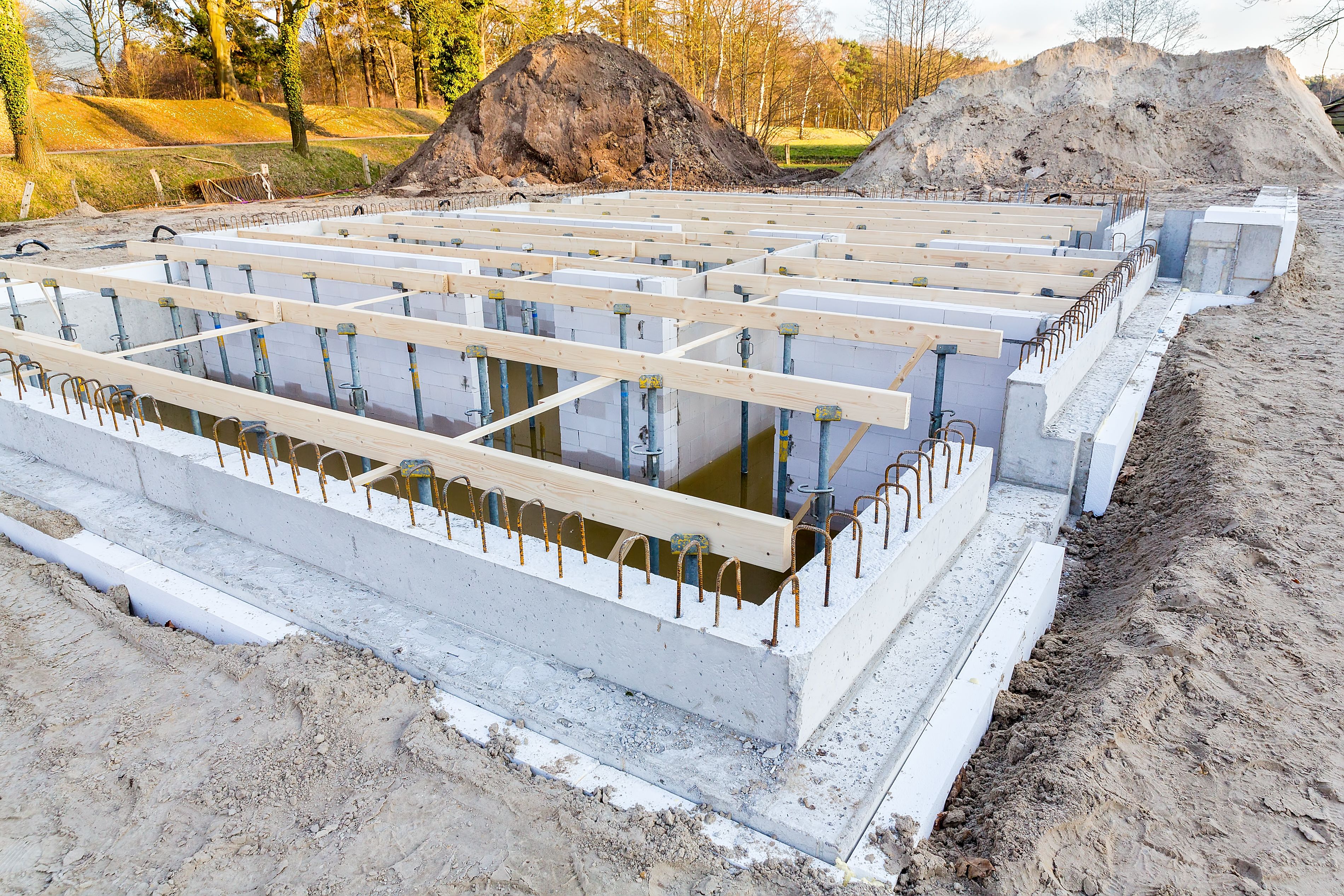
Soil testing is a crucial step in villa construction, yet it's often overlooked. This process involves analyzing soil to determine its composition, strength, and stability. By understanding these factors, builders can ensure a solid foundation for the villa. Ignoring soil testing can lead to structural issues that compromise the safety and longevity of the building.
The primary goal of soil testing is to assess whether the ground can support the construction. This is essential for preventing future problems such as cracks in walls or uneven settling. Knowing the soil type and its properties helps architects and engineers design structures that are both safe and efficient.

Benefits of Soil Testing
One of the main advantages of conducting soil tests is the prevention of structural failures. By identifying potential issues early, builders can take corrective actions before construction begins. This proactive approach can save time and money in the long run.
Soil testing also helps in determining the best materials and construction techniques to be used. For instance, if the soil is found to be too soft, additional measures like soil stabilization might be necessary. This ensures that the villa is built on a firm and reliable base.

Types of Soil Tests
Various types of soil tests are conducted to get a comprehensive understanding of the ground conditions. Some of the common tests include:
- Moisture Content Test: Determines the amount of water in the soil.
- Atterberg Limits Test: Measures the critical water content of soil.
- Compaction Test: Evaluates the soil's ability to withstand weight.
Each of these tests provides valuable insights into how the soil will behave under different conditions, guiding the construction process.
Steps in Conducting Soil Testing
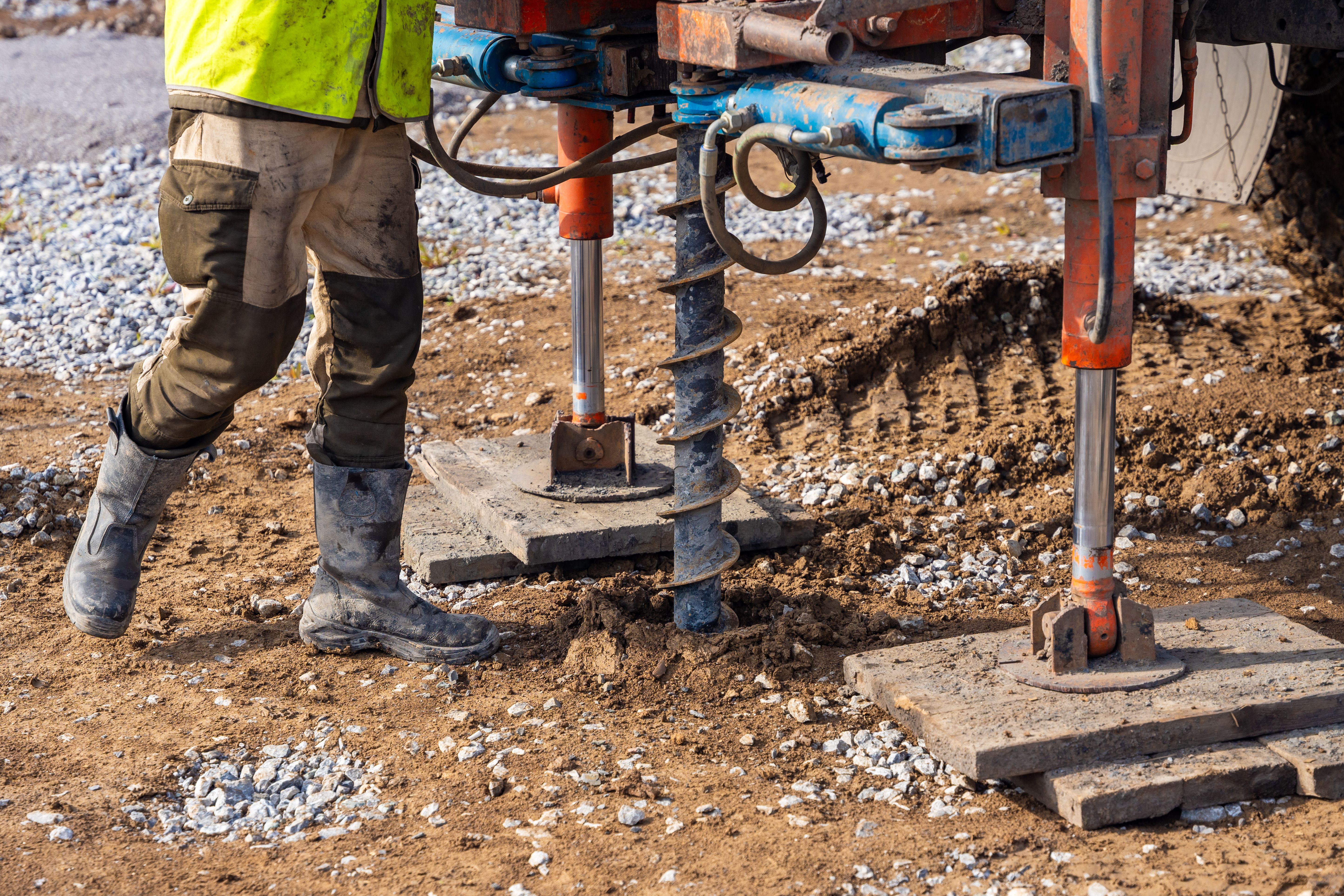
The soil testing process involves several steps, starting with sample collection. Samples are usually taken from different depths and locations to get a representative analysis. These samples are then tested in a lab for various parameters.
- Collection of soil samples from the site.
- Laboratory analysis for various soil properties.
- Interpretation of test results by experts.
Based on the results, engineers make informed decisions on the foundation design and construction methods.
Conclusion
Soil testing plays a vital role in villa construction, ensuring that the building is safe, stable, and durable. By understanding the properties of the soil, builders can avoid costly mistakes and create structures that stand the test of time. Investing in soil testing is investing in the future of the construction project.
Ultimately, the importance of soil testing cannot be overstated. It is a fundamental step that safeguards both the structural integrity of the villa and the investment made by homeowners.